Lead paint still lurks in a surprising number of Dallas homes built before 1978. I’ve peeled back enough layers in East Dallas cottages and Oak Cliff four-squares to know the look: a brittle topcoat, hairline checking, and that chalky residue that sticks to your glove. The question that comes up in kitchens and on front porches is almost always the same. Can we just paint over it? Or do we need something more robust, like encapsulation?
Homeowners hear mixed advice. Some painters promise a quick repaint, others insist on lead abatement budgets that rival a bathroom remodel. The truth falls in the middle. You have options, but the right path depends on how the existing paint behaves, how you use the space, and the life span you expect from the finish. In Dallas, add sun, humidity swings, and the dust of ongoing construction, and you have a setting where shortcuts fail fast.
This guide walks through what encapsulation really means, when it works, what “painting over” achieves, and how experienced residential painters in Dallas, TX approach both. I’ll share the tools we trust, how we handle Dallas Painters color and sheen decisions over lead-coated substrates, and the line between homeowner-ready tasks and licensed professional work.
What we mean by “encapsulation” and why it’s not just thicker paint
Encapsulation is a specific containment method using a product designed and tested to lock down lead-based paint. It is not simply applying more coats. True encapsulants are specialty coatings with elastomeric or epoxy-modified binders. They form a durable barrier that resists impact, abrasion, and minor movement of the underlying substrate. Many have third-party certifications and are labeled for lead encapsulation use, with required mil thickness and application conditions.
Painting over lead-based paint, by contrast, uses standard primers and finish coats without a lead-rated encapsulant. It freshens the surface and provides some protection, but it is not a tested method for long-term containment. A regular primer can improve adhesion and reduce chalking, yet it will not bridge active cracking or withstand repeated friction in high-contact zones like window sashes and handrails.
A practical analogy: encapsulation is like installing a flexible shield. Painting over is like putting a new shirt over a bruise. The shirt helps cosmetically. The shield prevents contact with the injury.
Dallas-specific conditions that affect performance
Dallas weather plays a real role. We see hot summers with intense UV exposure, stormy shoulder seasons with big moisture swings, and cold snaps that surprise old plaster. Brick and stucco homes expand and contract, and wood trim moves even more. Those shifts open seams, stress old coatings, and test whatever you put on top.
Inside, HVAC systems run long hours, drying out air in winter, then struggling with attic heat in summer. On older single-pane windows, condensation cycles cause repeated wetting and drying. Those microclimates break weak bonds and turn superficial overcoats into flakes.
Encapsulation stands up to these stressors better than ordinary paint when applied correctly. But it has limits. On a south-facing exterior with cupped or alligatored boards, even encapsulants need disciplined prep and maintenance to survive.

Safety and compliance: what homeowners should expect
If you suspect or know you have lead-based paint, the conversation starts with safety. The EPA’s Renovation, Repair and Painting (RRP) Rule governs disturbing lead paint in homes built before 1978. Dallas-area contractors who touch painted surfaces in these houses should be RRP certified or working under a certified firm, and they should follow containment and cleanup protocols. You can ask to see their certification and their plan for minimizing dust.
Certain activities border into abatement, which is a separate discipline with different licensing and oversight. Encapsulation for maintenance and renovation purposes usually falls under RRP if it doesn’t involve large-scale removal. Sanding, grinding, or demolition grows the risk profile quickly. Whenever you see a painter proposing open-power-sanding old trim without HEPA capture, that’s a red flag.
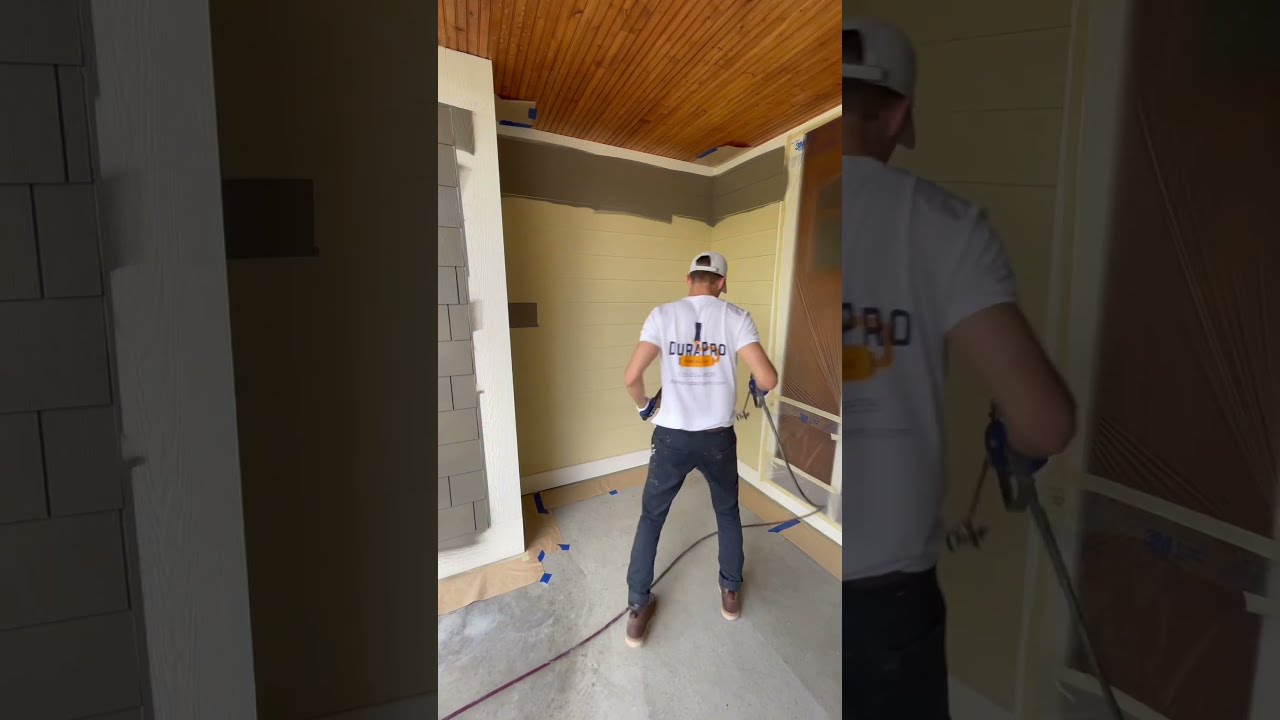
On job sites with lead, professional crews scale up protection gear commercial painters wear. You’ll see half-face respirators with P100 filters, disposable coveralls, nitrile gloves, and booties to prevent tracking dust. We also deploy HEPA-filtered vacuums, zipper-door containment, and tack mats. This seems like overkill until you realize how easily lead dust migrates to soft surfaces and kid-height areas.
Where painting over does just fine
Not every surface needs an encapsulant. Painting over, done thoughtfully, can be adequate in low-impact, intact areas where the existing paint is firmly adhered and not prone to friction. Think of high walls in a dining room or the upper halves of bedrooms with stable plaster or drywall. If the lead-containing layer is locked under a non-lead topcoat already and shows no peeling, you are maintaining, not disturbing.
Here, we clean thoroughly, degloss where needed, and spot-prime any minor stains. A bonding primer followed by two finish coats often buys you five to eight years in a typical Dallas interior. Any sanding is localized and performed wet or with HEPA capture to avoid dust. We avoid scuffing through layers. Even small exposed lead edges can telegraph through over time.
The key to painting over is honesty about wear. On door casings, chair rails, baseboards, and window stools, daily contact and cleaning will stress a non-encapsulated system. If Budget A says paint over everything, and Budget B says encapsulate the high-contact zones, Budget B wins in durability.
When encapsulation earns its keep
Encapsulation makes sense when the existing paint is stable enough to support a coating, but you see early-stage cracking, micro-alligatoring, or chalking. It also shines on high-traffic interiors, window components, stair balusters, and porch ceilings that see moisture and movement. The product’s thickness and flexibility help bridge minor fissures and resist scuffing.

Exterior trim that gets constant sun or rain also benefits, provided you prepare the surface by removing loose material to a sound edge. Where people go wrong is trying to glue down large, actively failing sheets of paint with an encapsulant. That’s not what it’s for. We still feather and consolidate until we hit a solid boundary.
If you have children under six or a pregnant person in the home, I lean toward encapsulation in play zones and bedrooms, even if the paint looks intact. Kids treat baseboards like bumper rails and windowsills like shelves for toys. Given the risk, the extra barrier is worth the line item.
The preparation that separates safe from sloppy
Lead changes how we prep. Instead of aggressive dry sanding, we rely on a combination of wet scraping, chemical softening where appropriate, and HEPA vacuuming. We mask off vents, set up containment, and work methodically from top to bottom. Imperfect prep ruins both strategies. You cannot encapsulate over dust and expect adhesion, and you cannot paint over glossy, contaminated surfaces and expect longevity.
Dallas tap water leaves mineral spots, so rinses need follow-up wipes with clean microfibers. On exteriors, we prefer low-pressure washing and a biodegradable cleaner, followed by thorough dry time. The night breeze can carry debris back onto tacky surfaces, so we plan coats early in the day and stage work zones to limit contamination.
I often see DIY attempts where someone rolled a heavy primer over chalking paint without first stabilizing. It looks good for two months, then fails in a sheet. A two-hour investment in HEPA vacuuming and wiping can add years to the life of the job.
Choosing products with purpose, not just brand names
With encapsulants, look beyond marketing and verify that the product is rated for lead containment and approved for your substrate. Some are optimized for interior drywall and plaster, others for exterior masonry or wood. Read the required wet mil thickness and recoat windows. If the spec says two coats at a certain build, you measure that build with a wet film gauge. Skipping this step undermines the whole point.
For standard repainting over intact lead layers, choose a high-adhesion, stain-blocking primer that tolerates limited deglossing. Oil-modified bonding primers still have a place, especially on old alkyd trim. Waterborne urethane enamels offer a hard, cleanable finish with lower odor and faster recoat. On walls, quality acrylics with mid-sheen levels balance washability and touch-up.
The climate informs sheen and resin selection. In sunny rooms, flatter sheens help hide surface irregularities, but they scuff more easily. If you have kids or pets, an eggshell or satin wall finish holds up better. On exteriors, UV-resistant resins and lighter colors reduce heat load. Dark green on a west-facing Dallas fascia cooks in August, and that thermal stress finds any weakness underneath.
Mixing colors of paints when lead is in the equation
Color work becomes a bit more strategic on lead-coated substrates. If you are encapsulating, the product’s tintability might be limited, and it often requires a finish coat for color anyway. Plan the system in layers: encapsulant for containment, then your chosen color in a compatible topcoat. Where we see people stumble is trying to mix leftover paints or spot-tint a specialty product to stretch coverage. That’s not the place to economize.
On standard repaint jobs over intact lead, mixing colors of paints is a practical way to dial in a custom hue, but consistency matters. We batch enough product for continuous areas, box gallons together, and document the formula. Touch-ups a year later are harder over older layers, so we keep a labeled quart for each room. Light in Dallas shifts warm, especially late afternoon. What reads as a calm gray at 10 a.m. can skew beige by sunset. When testing, paint at least two coats on sample boards and move them around the room over a few days.
Highly saturated colors can emphasize substrate defects and make lap lines more visible. If the base layers include lead paint and you are minimizing sanding, plan for a slightly higher build using a quality primer to even out porosity. It helps the color lay flatter and burnish less.
The tools that matter on a lead-sensitive job
The most common tools residential painters use look familiar, but they’re selected and deployed differently when lead is present. We rely on HEPA vacuums with sealed hoses, carbide scrapers with sharp blades to minimize pressure, and sanders with integrated HEPA shrouds for targeted spots where mechanical smoothing is unavoidable. Brushes with firm filaments cut into older, slightly textured trim better. Rollers with 3/8 to 1/2 inch naps level encapsulants without stippling, depending on the product’s viscosity.
Moisture meters and infrared thermometers help time coats in humid spells. A wet film gauge ensures we hit the specified build for encapsulants. Zip walls, painter’s plastic at appropriate mil thickness, and blue tape form the containment core. Ladders with clean feet and a routine for wiping rails stop dust transfer from one room to the next. These details keep the work zone safe and the finish predictable.
How pros stage the work to keep life running
Most Dallas homeowners want the job done without the house feeling like a hazmat site. Good crews stage rooms in a sequence that allows parts of the home to stay usable. We group high-risk tasks early in the day, then run air scrubbers during lunch and after hours. We bag waste promptly, label it, and follow disposal guidance. Pets need a plan, same as kids. Crate training and temporary gates save headaches.
For exteriors, we check weather windows daily. Encapsulants and primers have minimum temperature and dry-time requirements. Storm fronts rolling off the plains can turn a perfect morning into a sticky afternoon. If a crew pushes a coat too late, dew can haze the surface and trap moisture, reducing adhesion.
Cost realities and lifespan expectations
Encapsulation costs more upfront than a simple repaint. You pay for the product, extra preparation, and the training and time to apply it correctly. The premium varies by scope and substrate, but it’s fair to budget in the range of one and a half to three times the cost of a straightforward paint job for the same square footage, especially on trim-heavy spaces where detail work is slow.
The payoff is lifespan and peace of mind. A well-executed encapsulation on interior trim can deliver a decade or more with basic maintenance. A standard repaint over intact lead layers might provide five to eight years in gentle-use areas, less on high-contact surfaces. On exteriors, sun exposure swings the numbers. A south or west elevation might need attention after six to seven years even with top-tier products, while a shaded north wall can go longer.
Where commercial practice informs residential jobs
Commercial painters see lead hazards regularly in schools, hospitals, and historic properties, and their systems often translate to homes. You’ll hear about air monitoring, clearance cleaning, and documentation. Commercial painters contracts tend to detail surface conditions, containment methods, and disposal procedures. Borrow that clarity in your residential agreement. A good residential contractor will define how they’ll manage lead, what they’ll disturb, what they’ll encapsulate, and how they’ll verify cleanliness at the end.
The protection gear commercial painters wear is not just for show. In confined stairwells and small baths, a half-face respirator with P100 filters can make the difference between a safe day’s work and a headache that lingers. Homeowners sometimes worry about the optics. I advise flipping that thinking. If a crew dresses appropriately, it signals professionalism and respect for your space.
Decision points: how to choose between encapsulation and painting over
A short framework helps. Assess condition first. If the paint is largely intact with no peeling or fracturing, painting over can be acceptable for low-contact areas. If you see early failure, minor cracking, or have high-contact surfaces, encapsulation is the safer, more durable path. If surfaces are severely compromised, chipping in sheets, or soft and spongy from moisture, neither is ideal until the substrate is stabilized, and you may need selective removal by licensed pros.
Household profile matters. With young children, encapsulate where small hands go. With rental turnover or frequent parties, assume more abrasion and choose the tougher system. If you plan to sell in a few years, a thoughtful repaint may meet your goals, but document the work and use lead-safe methods to protect future occupants and maintain trust during disclosures.
Finally, budget and access drive timing. Encapsulate now where it pays the biggest dividend, then map a schedule to address other areas over time. You can phase projects room by room without sacrificing quality, as long as transitions are neat and edges are protected.
A Dallas case study: 1930s bungalow, two strategies in one home
A few summers back, we worked on a 1930s bungalow in the M Streets. The homeowners wanted to keep original wood trim, but their toddler had started exploring windowsills. Testing confirmed lead in multiple layers. The dining room walls were smooth and solid. The window sashes and stools showed early alligatoring, and the exterior south fascia had hairline cracks and chalking.
We proposed painting over the dining room walls with a bonding primer and quality acrylic finish. For the windows and interior trim up to 42 inches, we used a lead-rated encapsulant at specified thickness, followed by a waterborne enamel. We restored glide on the sashes with targeted, HEPA-controlled sanding and waxed tracks to reduce friction. On the south fascia, we removed loose material to a firm edge, encapsulated, then top-coated with a light color to reduce heat gain.
Three years later, during a touch-up visit after a kitchen remodel, the dining walls looked fresh, and the windows still had clean edges and no new checking. The fascia had only minor caulk movement at end joints, nothing unusual for our climate. The difference, especially at kid height, was the absence of nicks down to old layers. The encapsulant absorbed the bumps and kept the barrier intact.
What to ask when you hire residential painters in Dallas, TX
You will learn a lot from a few direct questions. Are you RRP certified, and can I see the certification? How will you test or verify the presence of lead? What containment will you use, and how will you clean daily? Which surfaces do you recommend for encapsulation versus standard repaint, and why? What products and mil thicknesses will you apply, and how will you measure them?
Ask about crew size, sequence, and day-by-day logistics. Confirm that they own or rent HEPA equipment and that their team knows how to maintain it. On color, request samples applied over a primed section that mimics the final system. And put the scope in writing, borrowing the clarity you might see in commercial painters contracts, so everyone knows the plan.
Maintenance after the fact
Containment is not a one-time event. Wipe high-touch surfaces with gentle, non-abrasive cleaners. Avoid steel wool or harsh pads that can breach the film. Watch window tracks and door edges for friction points. If you see early wear, call for a spot repair before it grows. Keep a quart of your finish on hand, labeled with room name, date, and formula. On exteriors, clean mildew early and keep caulking intact where joints move. Small acts extend years of service.
The bottom line for Dallas homes with lead paint history
Encapsulation and painting over are both tools, not opposing dogmas. Encapsulation is the right call for high-contact surfaces, early-stage failures, and spaces where risk tolerance is low. Painting over works on stable, low-contact areas when executed with lead-safe prep and quality coatings. Our climate raises the stakes, so product selection, prep discipline, and job staging matter more than brand promises.
If you approach the decision with clear eyes and insist on safe methods, you protect your family, respect the house’s history, and get a finish that lasts. And when the job is done, the only thing anyone should notice is the color, the clean lines, and a home that feels like itself again.
PAINTERS DALLAS TX 712 S Walton Walker Blvd, Dallas, TX 75211 (469) 459 9854