Plumbing looks similar from ten feet away. Water in, waste out, fittings in between. Then you step onto a high‑rise job with a mechanical room the size of a small house, and the overlap with home work fades fast. The tools change, the codes tighten, the risks compound. A plumber who thrives in both arenas learns to match the kit and workflow to the environment, because safety and compliance rest on those choices as much as skill.
I have spent years split between multifamily towers, hospitals, and small homes with crawlspaces that feel like foxholes. The jobsite culture is different, but the underlying logic is the same: use the right tool for the pipe, the pressure, and the people in the building, and document the work so an inspector can trust it tomorrow. This piece draws out where commercial plumbing tools and residential plumbing tools diverge, and how those differences exist for good reasons rooted in safety and code.
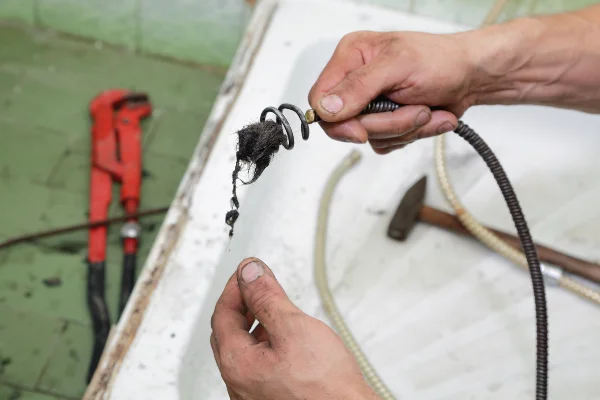
What risk looks like on each site
A house typically runs under 80 psi at the fixture. Copper is Type L or M, PEX is common, the water heater is 40 to 75 gallons, and the gas load rarely exceeds a few appliances. A mistake can cause water damage and some inconvenience, sometimes serious harm, but the scale is limited.
Commercial spaces multiply force and consequence. Fire pumps can push past 150 psi. Hydronic loops run hot and continuous. Domestic booster sets, expansion tanks, and backflow assemblies live in rooms dense with power and controls. On a hospitality job, you might have 300 guest rooms tied to a common riser. An error on a two‑inch line can flood ten floors. Medical gas adds its own layer of strict rules and traceability; a mismarked tool or contaminated tube is not a small problem.
That gap in risk drives tool selection. It explains why some tools you carry every day in houses become either inadequate or unsafe on a high‑pressure system, and why commercial gear often feels overbuilt for a bungalow.
Material choices dictate the kit
Residential plumbing leans on copper up to one inch, PEX in many markets, and PVC or ABS for DWV. The tools are cutters, torches, crimpers, expansion heads, and solvent gear. In a typical week you might press half‑inch to three‑quarter copper, sweat a few joints out of habit, crimp PEX with stainless cinch or copper rings, and glue Schedule 40.
Commercial systems escalate in diameter and specification. Copper jumps to Type L or K in large sizes, steel shows up in threaded and welded forms, and stainless or HDPE appears for specialty systems. Grooved couplings, press systems with higher ratings, and mechanical joints replace many of the residential fittings. Pipe supports become engineered components. Even drain work scales up to cast iron with no‑hub couplings that require calibrated torque.
Press technology illustrates the divide. In a house, a compact press tool with small jaws handles almost everything. On a hotel riser or a big box store, you need a tool with 2‑inch, 3‑inch, or 4‑inch capacity and a different set of rings. The same goes for PEX. Residential plumbers know the feel of a manual crimper and the check‑go gauge. On a commercial job with two‑inch PEX, a battery expansion tool with a long‑throw head and a heavy stand is common, and the fittings themselves carry different pressure and temperature ratings that must align with submittals.
And then there is threading. Half‑inch to one‑inch black iron gas lines in homes can be pre‑threaded or cut on a bench with a small power threader. On a commercial project you will move fluids and gases through two‑inch and larger steel, which means a floor‑standing power threader, die maintenance, thread cutting oil management, and enough power and secure stands to prevent a tool walk. One lapse in securement and a spinning length of pipe turns into a baton with ugly reach.
Code pressure is different, even when the code book is the same
Building and plumbing codes overlap across occupancies, but enforcement and documentation differ. A residential rough inspection may include a visual check, a pressure or water test, and photos for record. Commercial inspectors look for more: submittals that match installed materials, product listings, fire‑stopping systems by tested assembly number, torque records for no‑hub couplings, calibration certificates for torque wrenches and test gauges, and often manufacturer training proof for specialized systems.
This changes which tools you carry and how you use them. A torque wrench in a home setting is good practice. In a commercial setting it is mandatory for many couplings, and you document the model, calibration date, and readings. A simple water pressure gauge in a home verifies 60 psi at a hose bib. On a commercial job, you may hang multiple gauges at high and low points, log results over time, and take temperature differentials across heat exchangers. Your tools become part of the compliance record.
Backflow testing is a clear example. Many residential jobs skip built‑in testable backflow assemblies, or they use small dual checks. Commercial properties nearly always require testable backflow preventers with annual certification. The backflow test kit is a specialized tool, and its calibration status is tied directly to compliance. I have seen more than one inspector refuse a test because the manometer stickers were expired by a month. Good plumbers do not lose a day to a missed calibration.
Hydraulics do not forgive small leaks at scale
A weeping joint on three‑quarter copper in a home can be fixed with a towel, a moment of swearing, and a torch. A weeping joint on a two‑inch copper riser behind a hallway ceiling, when charged to 150 psi, becomes a shower. The response is not just more care, it is different tools.
Hydrostatic testing of domestic and hydronic systems in commercial work uses high‑volume test pumps, often with relief valves and isolation gear so failures are contained. Those pumps require secure connections and hoses rated well above the test pressure. We do not use garden hoses to test a 200‑foot riser.
Cutting and beveling also scale. A residential pipe cutter or a combo saw is fine for copper and PVC. On a commercial job, a pipe beveler with a guide collar, a cold‑cut saw, or a band saw on a stand prevents heat, sparks, and uneven surfaces. The quality of the cut face matters more as diameter grows, because a small error in angle becomes a big misalignment across the circumference.
Fire safety and hot work shape tool choices
Hot work permits are rare in houses. In commercial work, they are routine and regulated. If you light a torch for soldering or brazing on site, you need a permit, a fire watch, shields, and documentation. Many contractors shift to flameless methods to limit hassle and risk. That is why press tools, grooved couplings, and mechanical joints dominate in places where a flame would stall a schedule.
When hot work is unavoidable, the torch itself is different. Residential plumbers mostly sweat with air‑fuel torches and lead‑free solder. In commercial mechanical rooms, brazing large copper for refrigerant or medical gas calls for oxy‑acetylene rigs, purge setups, oxygen monitors where required, and nitrogen flow to prevent oxidation incrustations. That means more training and more checks. A regulator set that lives in your truck for years without maintenance is a liability on a hospital job.
Firestopping gear is a subtle but critical area. In homes, a tub of intumescent sealant often covers the code. In commercial work, you install firestop systems exactly as tested with sleeves, collars, wrap strips, and specific annular space. The “tool” here includes a tape measure you trust, a riveter for collars, a label printer to mark the system number, and the submittal packet. If your label does not match the tested system, the inspector has to fail it, even if the sealant looks perfect.
Lifting, staging, and access change the tools in your hands
You can shoulder a 75‑pound water heater into a basement with a helper and a dolly. On a hotel with 120‑gallon commercial heaters or multiple boilers, you need a pallet jack, a gantry crane, slings, and lift points that meet load ratings. Scissor lifts and boom lifts replace ladders above a certain height. Your everyday cordless saw transforms into something with tethering points and lanyards because dropped‑object rules apply.
Anchoring tools change too. Residential work often uses plastic inserts for light duty. Commercial code and engineering demand concrete anchors with specific embedment, seismic restraints, and spacing that follow calculations. A rotary hammer with a depth stop, a blow‑out bulb or vacuum, and anchors from a submittal that matches the spec become part of the core kit. You will also carry a torque wrench for anchors, because inspectors increasingly ask for torque verification on seismic bracing.
I learned to keep a laser level with a long range and a tripod on commercial jobs, not because I do not trust a torpedo, but because 200 feet of corridor demands more than eyeballs. In homes, a water level or a short laser does the job. Scale magnifies small errors; tools that collapse those errors matter.
The quiet differences in measuring and documenting
A residential plumber may snap a few phone photos and keep receipts. On a commercial project, submittals govern what you can install, and as‑builts document what you did install. That shifts your measuring and marking tools. You still carry a tape, but you also carry a calibrated digital manometer for gas, a thermometer with a surface probe for hydronics, a clamp meter for pump amp draws if your scope touches controls, and sometimes a data logger to confirm temperature maintenance on a recirculation loop.
Labeling is not an afterthought. Printers that produce heat‑shrink labels for wire, adhesive labels for pipe markers that match ASME A13.1 colors, and valve tags with engravings turn into required tools. I keep a file of marker standards and a punch set for metal tags. The inspector does not grade the neatness of your handwriting; they look for compliance with color and legend conventions.
Drainage and venting scale up in both mass and method
In homes, you glue PVC and prime ABS, or you snap and no‑hub cast iron with bands that a nut driver can tighten. Commercial DWV with cast iron demands a torque wrench set to the manufacturer’s value, often in the 60 to 80 inch‑pound range, and the habit of retorquing after settlement as specified. You also deal with pipe cutters that score and snap eight‑inch iron, which is not the same motion as a PVC ratchet. You need stands that will not tip when a long section releases.
Floor drains, trench drains, and interceptors add specialty tools. Setting a large grease interceptor requires lifting gear, precision on inlet and outlet elevations, and fall calculations across long runs that must hold over time. A laser on a story pole earns its keep here. In houses, the longest horizontal run might be twenty feet; in a supermarket, you can chase 200 feet to a grease trap and find out your quarter‑inch per foot promise drifts unless your tools keep you honest.
Water quality tools for commercial duty
Potable water in a home usually needs taste and odor control and compliance with local backflow standards. In commercial buildings, Legionella risk management enters the picture. While plumbing contractors do not manage the water program end‑to‑end, the tools we choose affect it. Mixing valves that meet ASSE 1017 or 1070, recirculation pump controls, balancing valves with P/T ports, and temperature logging gear during startup keep systems in the safe range. I carry thermometer probes that fit those ports and a handheld meter for quick readings. A home plumber may never see a balancing valve; on a hotel you might dial in dozens.
Backflow testing tools have already been noted, but water quality sampling kits are also common on larger jobs. If the spec calls for flushing and disinfection, you need test strips, neutralizer, and written procedures. A five‑gallon bucket and a jug of bleach do not pass muster when a commissioning agent asks for numbers.
Gas and specialty gases: tools with higher consequences
Residential gas work uses a leak detector, a manometer, and pipe thread paste or tape. On commercial lines, especially when pressures are higher or the gas type is specialized, the stakes rise. Natural gas risers in a large building often rely on welded or grooved steel below grade and threaded above, with union points for equipment. Testing can reach higher pressures and must be held longer with gauges that meet accuracy standards. My rule is to use a digital manometer with known accuracy for fine tests and a deadweight gauge for witness tests when the spec calls for it. The gauge becomes part of the official record.
Medical gas falls into its own world. Only certified installers work on it, and the tools reflect that: cleaned and bagged tube cutters, oxygen‑clean fittings, nitrogen purge kits with flow meters, and oxygen analyzers to confirm purity and lack of hydrocarbons. The calibration and cleanliness of the tools are documented. Nothing from a general plumbing toolbox touches it unless it is cleaned to spec. That is not snobbery, it is safety.
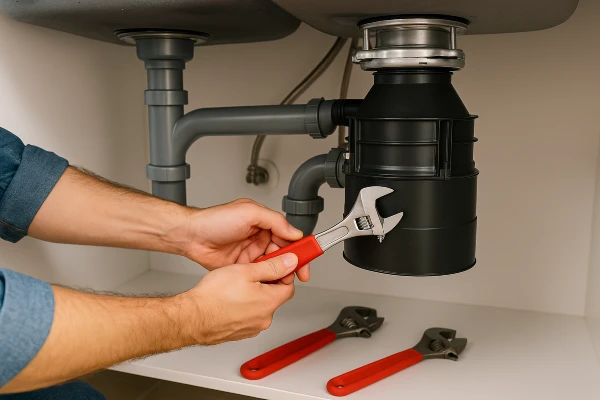
Power, batteries, and the logistics of uptime
A residential plumber can often run a full day on two batteries and a charger in the van. Commercial jobs drain batteries quickly with large press tools, threaders, bandsaws, and expansion tools that draw more current. You plan battery rotations, carry more amp‑hour packs, and sometimes set up a charging station with lockable storage. It sounds mundane until the press tool dies halfway through a 3‑inch coupling and the fire watch ticks the clock on your hot work permit. Uptime planning becomes a safety item because hurried work invites mistakes.
Corded tools still have a place. A floor threader does not care about battery life, and it will not trip a breaker if you understand the temporary power layout and coordinate with site supervision. Good commercial plumbers learn the site’s power plan on day one. Nothing burns trust faster than popping a panel that feeds a crane.
Training and manufacturer systems: when a tool is tied to the warranty
Many commercial fitting systems require documented training for the installer. Press brands, grooved coupling manufacturers, and some large valve lines will not honor warranties unless certified installers use the specified tools. It is not paperwork theater. The differences between a correctly applied 2‑inch press ring and a botched one are not obvious to an untrained eye, but they are obvious to a tool that logs cycles and to a failure analysis after a leak. Some press tools store crimp data, which becomes discoverable if something goes wrong and lawyers get involved.
Residential warranties rarely go that deep. A homeowner cares that the leak stops. A property manager with 300 units cares that the manufacturer stands behind the product across 20 years. If you cut corners with an off‑brand ring that almost fits, you take on risk the owner never agreed to.
The ergonomics and health side of tool choice
Swinging a 12‑pound hammer overhead under a steel deck will age your shoulders fast. So will twisting a manual crimper on two‑inch PEX all afternoon. Commercial plumbers often use mechanical stands, lift tables, and spring hangers not just to hold pipe, but to keep people healthy. I switched to battery band saws with balanced handles because they cut cleaner and save forearms on long days. In residential work, you can usually position yourself for comfort. On a commercial job, the pipe runs where the engineer drew it, and you follow. Tools that reduce strain also reduce mistakes.
Noise and dust also factor in. A small reciprocating saw in a home is manageable. On a hospital job, dust control is strict. You might move to cold‑cut methods, HEPA vacs on core drills, and negative air setups, which require different attachments and planning. None of this is overkill; it is how you keep infection control teams and patients safe.
Cost and value judgment: when to invest, when to rent
A residential plumber can build a complete, high‑quality kit for a reasonable sum and earn back the investment quickly. Commercial kits grow heavier and pricier. A large press tool with big‑diameter rings can cost several thousand dollars. A floor threader with dies and oiler adds another few thousand. Smart practice is to rent tools you use once a month and buy those you touch every day, while verifying that rental units are maintained and current on calibration.
I have rented roll groovers when a project calls for them two or three days in a year. I own the press tools up to two inches because they move every week. I also carry my own torque wrenches with calibration paperwork, because I do not trust a tool room to have it ready at 7 a.m. on the day an inspector asks. Commercial work rewards an honest audit: does this tool reduce risk, increase speed, or satisfy a compliance requirement we cannot dodge? If yes, spend the money or plan the rental early.
Where residential techniques still shine on big jobs
Not every commercial project needs the full mechanical circus. Tenant improvements in small retail, low‑rise offices, and light restaurants still use many residential plumbing tools. The trick is to overlay the compliance habits from big jobs onto the smaller ones. Use the torque wrench on no‑hub bands even if nobody asks. Label lines to the standard. Pressure test with a reliable gauge, not just a quick look. A plumber who brings that discipline to small work builds a reputation for clean, inspectable installs.
By the same token, residential service work benefits from a few commercial habits. A compact press tool can save a home from torch damage in a tight wall. A handheld thermal camera can confirm recirc flow in a large house with long runs. A small laser level makes shower valve layout consistent. Cross‑pollination makes the whole trade better.
A practical comparison of core tools
Here is a concise side‑by‑side that highlights tool differences that impact safety and compliance. It is not exhaustive, but it covers the gear that changes how you plan and execute Plumbing projects.
- Press tools: Residential uses compact presses for 1/2 to 1 inch copper or PEX with basic rings. Commercial demands larger capacity presses, sometimes with data logging, and brand‑specific rings approved by submittals. Threading and grooving: Residential manages with a portable power threader and manual oiling. Commercial work often requires floor‑standing threaders, roll groovers, and oil management to prevent slips and fire hazards. Testing gear: Residential relies on a simple gauge and a hand pump. Commercial uses calibrated gauges, high‑volume test pumps with reliefs, backflow test kits, and sometimes temperature and flow data loggers. Safety and compliance tools: Residential keeps PPE and a basic torque wrench. Commercial adds torque‑verified no‑hub tighteners, firestop system tools, label printers, gas detectors, and documented calibration kits. Access and handling: Residential leans on ladders and small stands. Commercial work uses scissor lifts, material lifts, chain falls, heavy duty pipe stands with V‑heads, and drop‑prevention tethers.
Common failure points and how the right tools prevent them
I have seen the same handful of problems repeat across jobs. No‑hub couplings under‑torqued on cast iron will leak, but they often do not show it until a building warms up and gaskets relax. The fix is simple: a calibrated torque wrench during install, and a scheduled recheck if the manufacturer calls for it. Grooved couplings installed on pipe with bad roll grooves will blow at high pressure; a groover with dull rolls or a sloppy measuring habit is usually the cause. Retire worn rolls early and check groove depth with the gauge card every time.
Press failures in large diameters often trace back to misaligned rings or using a mixed brand set. The tool may complete a cycle, but the profile is wrong. Tie your press rings to the system submittal and keep them in dedicated cases. Threaded joints that leak usually involve incorrect thread sealant for the fluid or temperature, or a die that cut a taper too shallow. Keep dies fresh, and match sealant to spec. I have a simple rule: if a joint costs more than ten minutes to remake, it deserves the right compound the first time.
Finally, documentation lapses can sink a schedule as fast as a leak. An inspector who cannot find product listings or calibration certificates may delay approval, and that pushes other trades. Treat your label printer, your paperwork folder, and your gauge certificates as part of your tool bag.
How the jobsite rhythm changes with your tools
On a home service call, you diagnose, fix, collect, and move. https://theleanderplumber-company.com On a commercial install, the day often starts with a coordination meeting, then staging materials, then work within windows set by other trades. Your tools need to be packed for mobility. I keep kits by system: press case, grooving case, test case, firestop case. Each one includes the specialty items and the paperwork. It prevents that walk of shame from the 15th floor to the gang box because the one adapter you need is in the wrong bucket.
Battery management becomes a morning ritual. I tag packs and rotate them, keeping high‑draw tools loaded with the biggest packs. For hot work, I stage shields, extinguishers, and a meter if the area demands atmosphere checks. You save hours by treating safety gear as a first step, not an interruption.
Budgeting time for compliance is part of craftsmanship
Tool choices in commercial plumbing do not just change how you cut and join. They change the time budget. Calibrating a torque wrench, logging a backflow test, printing pipe markers, and photographing firestops with labels all take minutes that add up. When you estimate a job, you either include that time or you donate it later. Teams that underbid compliance tasks scramble, and when people rush, they skip steps. Nothing strips profit like rework on a system that passed through inspection and then failed under load.
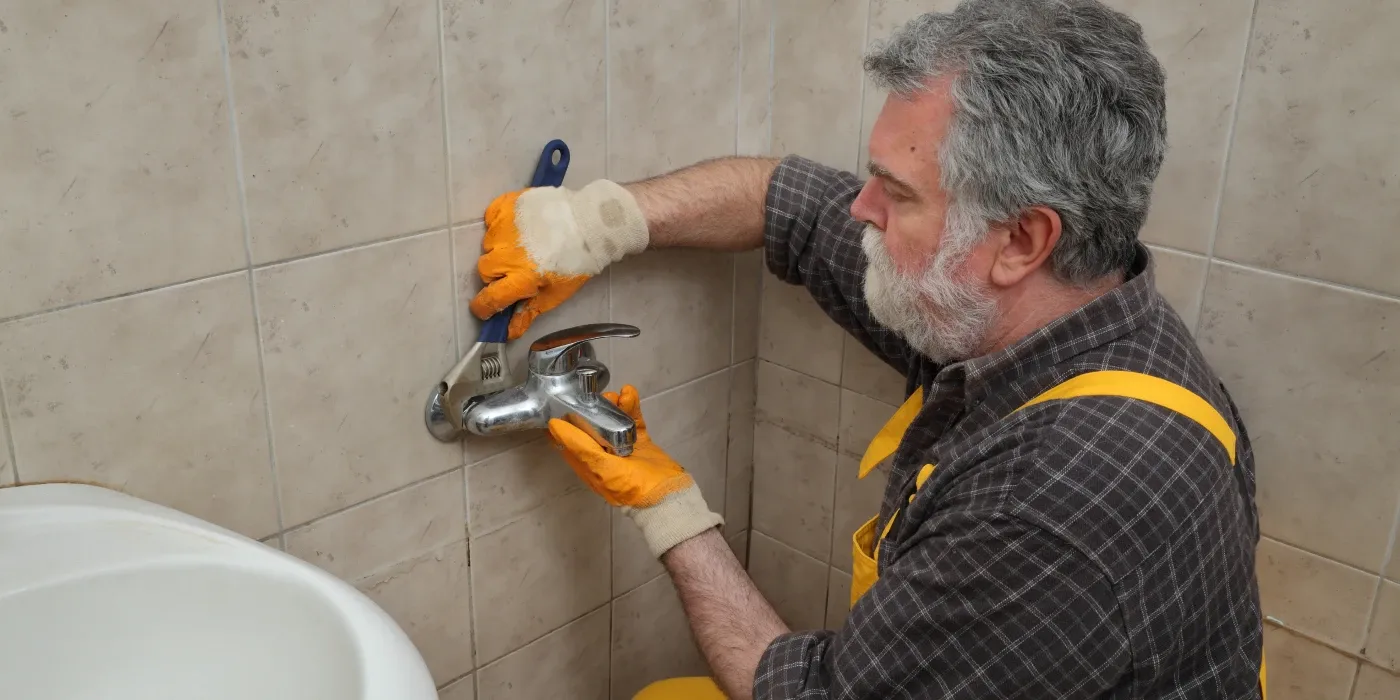
Residential work has its version of this. Permit costs, inspection windows, and homeowner education require time. Bringing a water pressure regulator and a test gauge to show a client that their house sits at 95 psi makes the sale and prevents call‑backs. The tool is simple. The habit is the point.
The human side: training the next plumber
Tools only matter if people use them well. I try to train apprentices on why a specific tool exists in commercial plumbing, not just how to hold it. Show them a grooved coupling that failed because the groove depth was off by a hair. Let them feel a torque wrench click at 80 inch‑pounds and then what 40 inches feels like, because someday an unlocked wrench will lie to them. Take them on a roof and drop a small bolt in a bucket to hear how fast it falls from ten stories. That sound builds respect for tethers in a way a safety speech never will.
In homes, teach the discipline of clean work. A press tool makes a fast joint, but a crooked cut leaves a scar under the sleeve. A homeowner may never see it, but another plumber will, and reputations travel.
Bringing it all together
Commercial plumbing tools and residential plumbing tools share a family resemblance, but the differences are consequential. Commercial gear likes documentation, capacity, and control. Residential tools favor agility, access, and speed in tight spaces. The right choice is not about pride or tradition; it is about safety, compliance, and the responsibility that comes with plumbing for people.
For any plumber moving between the two worlds, build a core kit that travels and a set of specialty cases that you open when the job calls for them. Keep calibration current, keep submittals matched to your fittings, and use tools that remove guesswork. The building and the inspector will thank you, but more importantly, the people who live and work with your systems will never think about you at all. That is the quiet success we chase in this trade.
THE LEANDER PLUMBER - COMPANY 1789 S Bagdad Rd #103, Leander, TX 78641 (737) 530-8021